About the gathering
The September 2026 gathering was a starting point for exploring what might be possible for nature-related healing in Western North Carolina.
Event summary
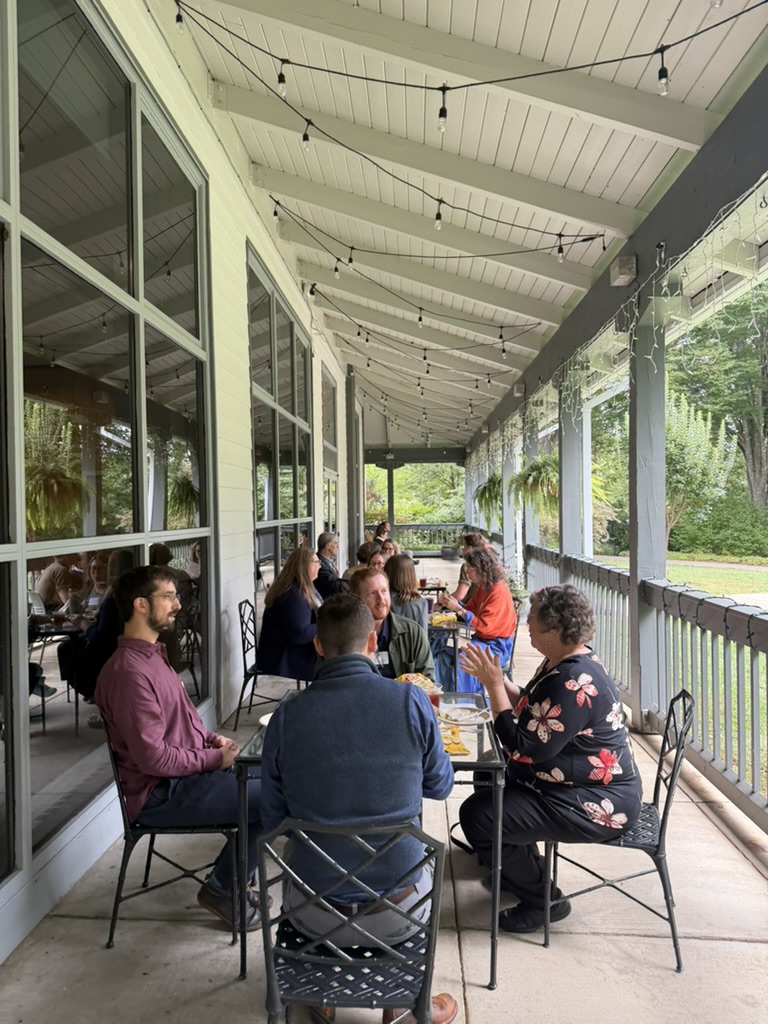
In September 2026, more than 80 researchers, growers, clinicians, entrepreneurs, investors, economic developers, and community leaders gathered at the North Carolina Arboretum to explore a big question: What could Western North Carolina become at the intersection of nature, science, healing, and entrepreneurship?
The gathering grew out of a year-long listening effort led by team members from Sensorium Therapeutics and the Pisgah Fund. That work surfaced an extraordinary collection of assets already present across the region—from medicinal plants, regenerative agriculture, and generations of traditional knowledge to healthcare, biotechnology, research, entrepreneurship, and a deep cultural connection to one of the most biodiverse regions in North America. The opportunity, we heard, is less about inventing something new than connecting these strengths in new ways.
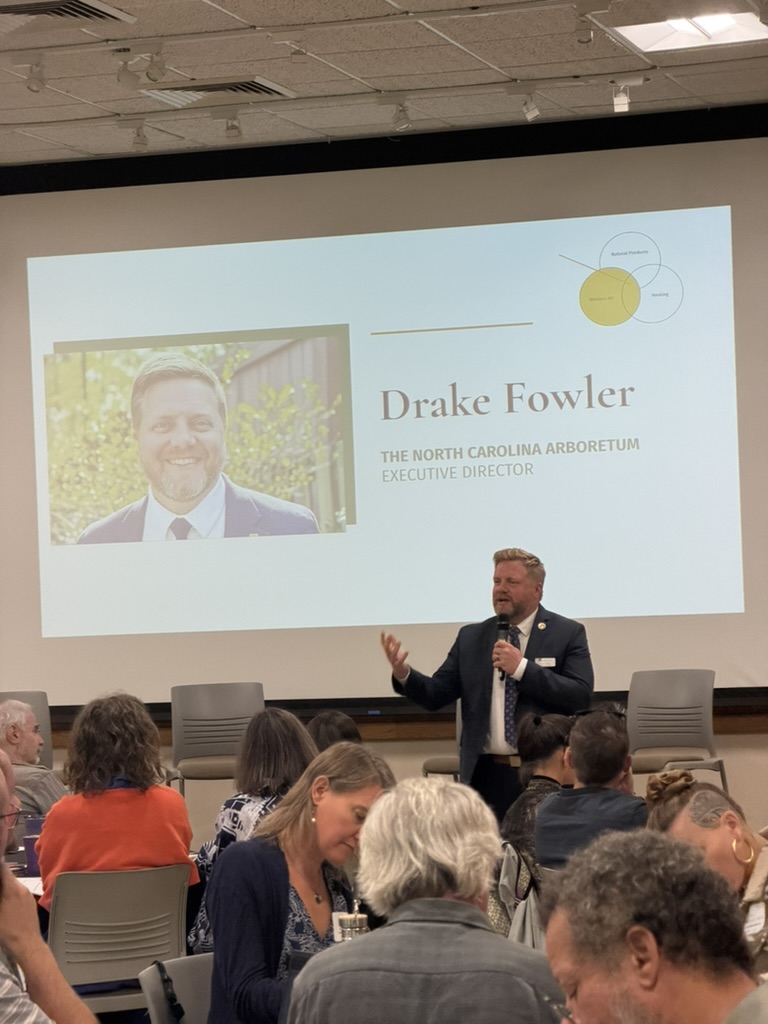
The day began with a welcome from Drake Fowler of the North Carolina Arboretum, who grounded the gathering in the importance of place. He reflected on the Arboretum—and Western North Carolina more broadly—as a place where wonder, knowledge, and stewardship come together, and where experiencing the natural world can inspire both scientific inquiry and a deeper sense of connection to it. It was a fitting setting for a gathering centered on the relationship between people, nature, and healing.
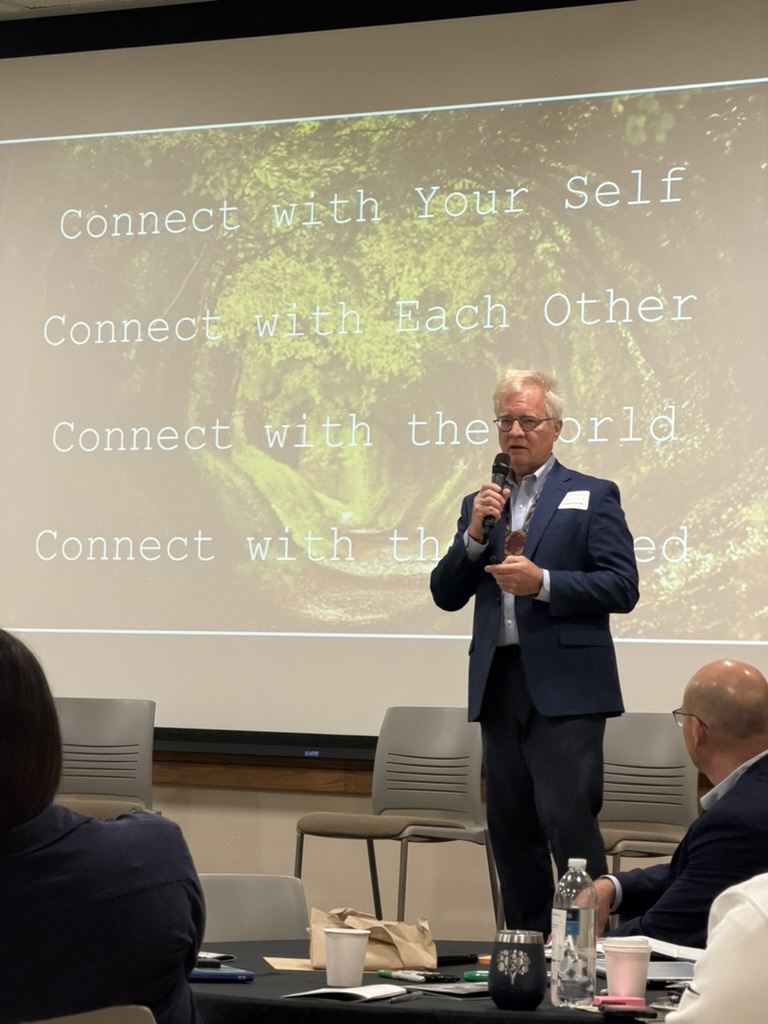
The morning then invited us to think expansively about what healing means in the first place. Patrick Hanaway, MD, a physician and longtime leader in functional and whole-person medicine who previously led the Cleveland Clinic Center for Functional Medicine, challenged the group to look beyond purely reductionist approaches and consider health in relationship to body, mind, community, culture, place, and the natural world. Eastern and Indigenous traditions offer different ways of understanding these connections and remind us that extracting a plant, molecule, or practice from its broader context can mean losing something important along the way. One memorable question—“Who speaks for the trees?”—captured a theme that would recur throughout the day: healing our bodies and healing our relationships with one another and the land may not be separate projects.
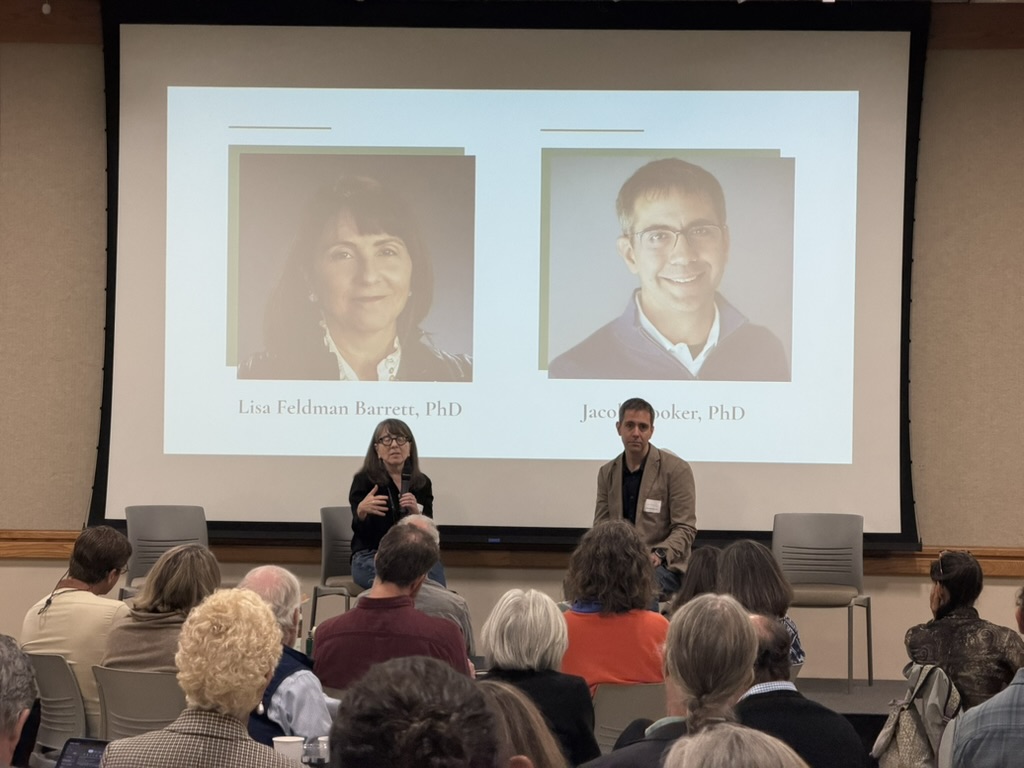
That conversation continued in a fireside discussion between Jacob Hooker, PhD, CEO of Sensorium Therapeutics, and Lisa Feldman Barrett, PhD, Distinguished Professor of Psychology at Northeastern University and author of How Emotions Are Made and Seven and a Half Lessons About the Brain. They explored relational realism: the idea that many things we treat as fixed, isolated properties are better understood through their relationships and context. Applied to health, that means looking beyond individual pathways or organs to the interactions among brain and body, environment, experience, perception, relationships, and behavior. Their conversation posed a provocative question for the rest of the day: How might our approaches to healing and research better reflect the interconnected reality in which health actually occurs?
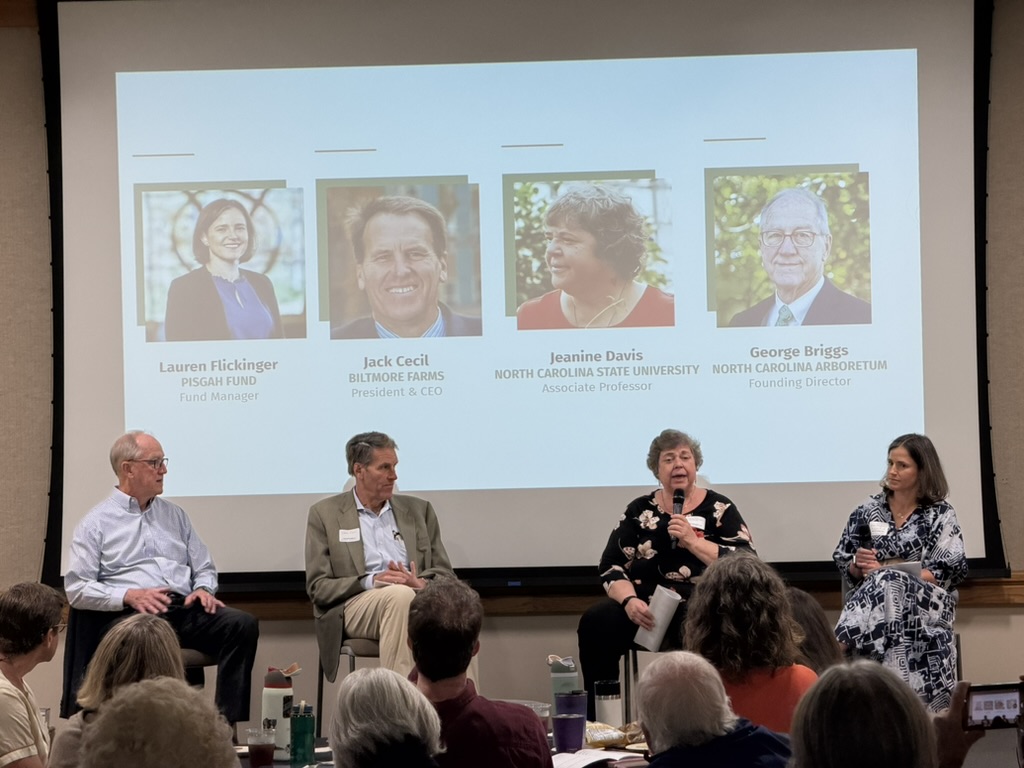
The afternoon brought those ideas home to Western North Carolina. Conversations with longtime regional leaders—including George Briggs, founding director of the North Carolina Arboretum; Jack Cecil of Biltmore Farms; and Jeanine Davis of NC State University’s Mountain Horticultural Crops Research and Extension Center—made one thing particularly clear: we are not starting from scratch. For decades, people here have worked to build a natural-products economy through efforts including the NC Natural Products Association and Bent Creek Institute, research and testing infrastructure, grower networks, entrepreneurship, conservation, and economic development. Some efforts flourished; others proved premature or struggled to find sustainable funding. Both offer important lessons for what comes next.
The conversation also underscored what it will take to build something durable: patient and sustainable capital, support for farmers and growers, stronger connections across the entire value chain, and better ways to link the region’s knowledge, institutions, natural resources, research capabilities, and entrepreneurial talent. Western North Carolina’s biodiversity and agricultural heritage are not simply a backdrop to this work—they can be foundational assets in an economy that creates opportunity while protecting the land and ensuring that more of the value created here stays here.
Participants then imagined what WNC might look like in 2036. Across the room, a remarkably consistent vision emerged: a region known for trusted, high-quality natural products; farmers and land playing an integral and prosperous role in the economy; economic value and ownership remaining in local communities; natural products increasingly connected to healthcare and rigorous research; a growing pipeline of talent; and a coordinating backbone capable of connecting the region’s many existing assets while creating fertile conditions for new projects, ventures, and impact.
The gathering catalyzed new relationships and potential collaborations while creating a clearer picture of both the opportunity and the gaps. The pieces of a distinctive healing and natural-products ecosystem already exist in Western North Carolina. The work ahead is to connect them, learn from what came before, care for the land and communities at their foundation, and discover what we can build together.
The community will continue pushing the Healing Frontier forward. Join us as we continue the expedition.
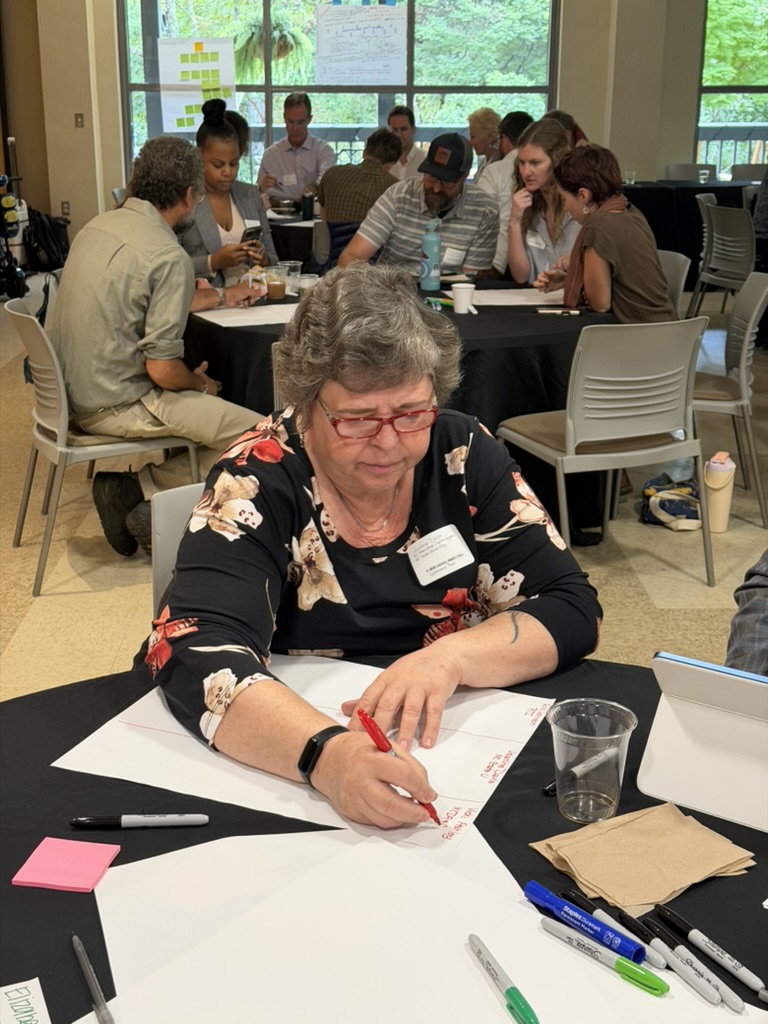
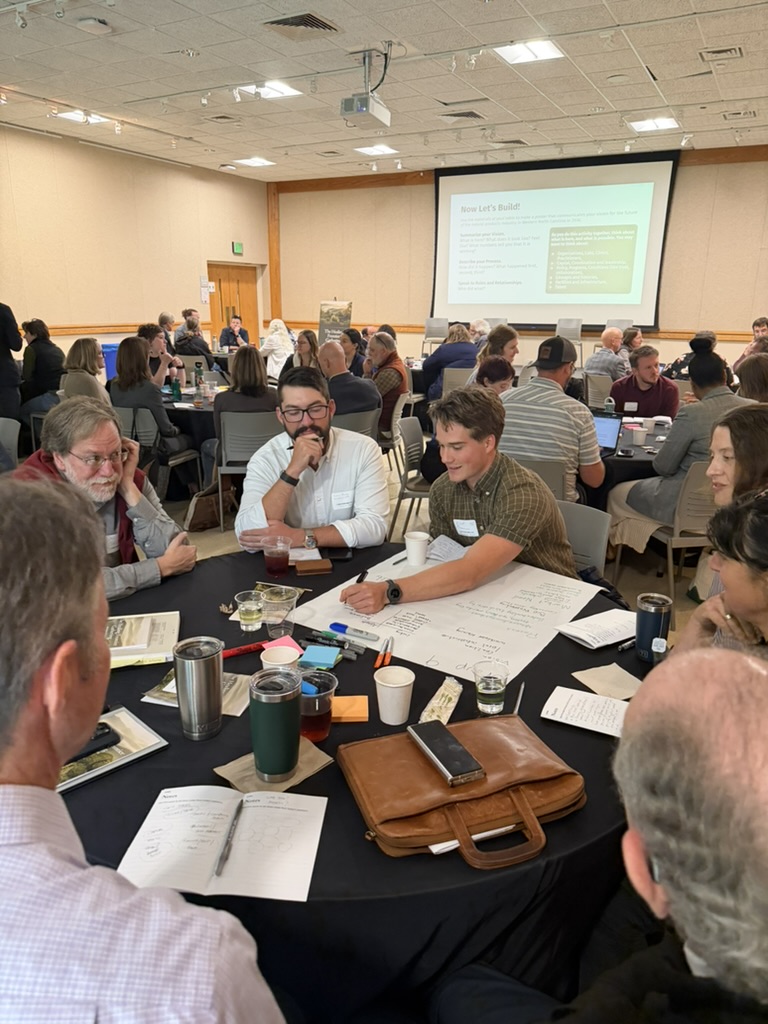
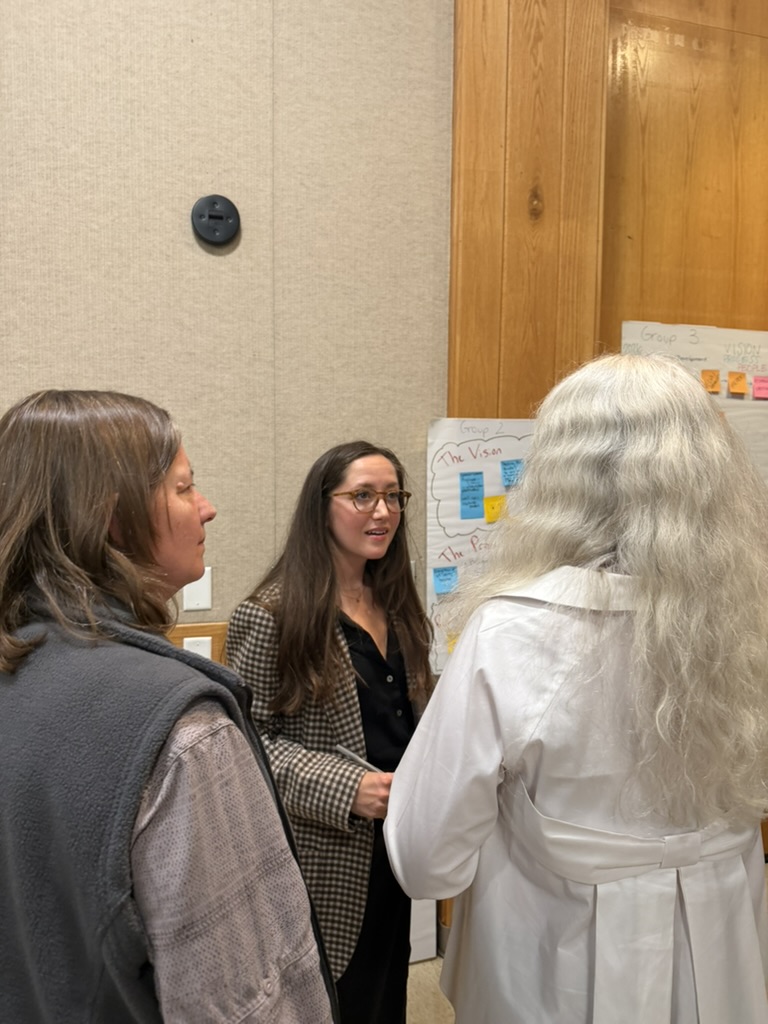
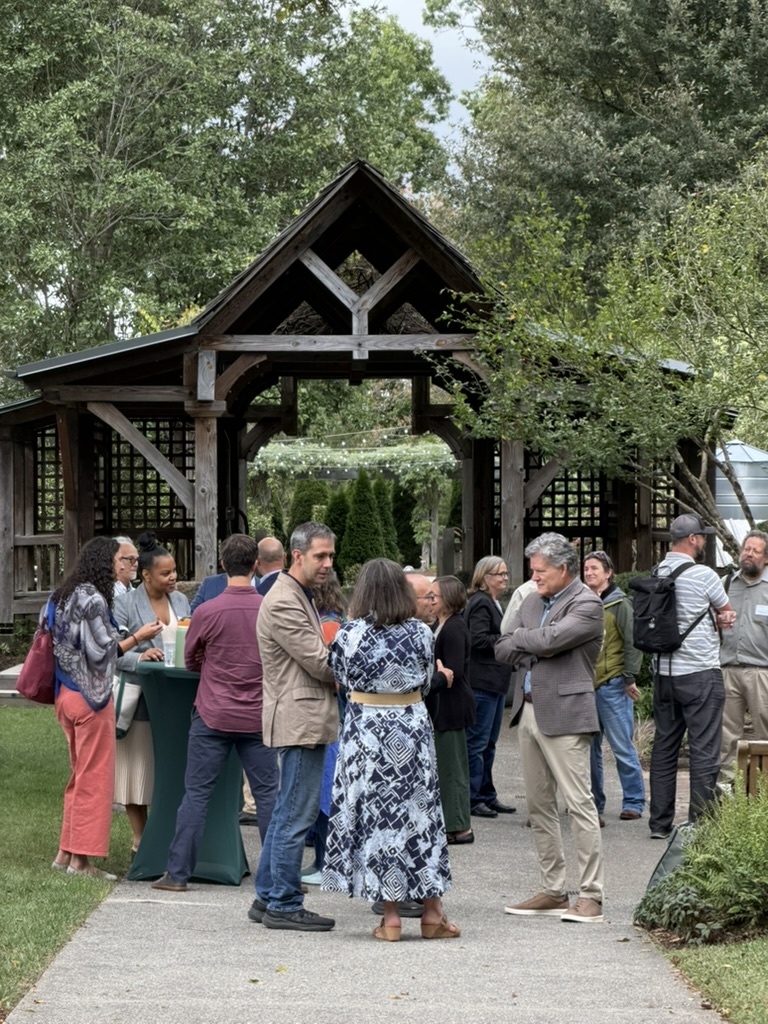
Scenes from the day
What is the Healing Frontier?
Western North Carolina has spent decades quietly assembling the ingredients for something bigger: deep botanical knowledge, sparks of opportunity in research and biotech, and a culture that treats nature and science as partners, not opposites.
The Healing Frontier Gathering brought together scientists, founders, clinicians, investors, and regional builders to discuss what comes next in natural product research, integrative healing, and translational medicine in Western North Carolina. It was designed as a working day rather than a sit-and-listen conference.
The facilitated day was intended to help build a shared vision, map plausible pathways, and connect people already working in labs, clinics, startups, and the field.
Goals of the gathering
The gathering was designed to bring together people who could help shape the future of the region’s natural products and healing ecosystem.
- 1
Build a shared sense of energy and possibility around the region’s potential and how it can connect to the broader natural products industry and ecosystem.
- 2
Create meaningful connections among researchers, entrepreneurs, farmers, practitioners, investors, philanthropists, and community leaders.
- 3
Use the Arboretum’s natural setting to encourage open, creative, and productive conversation.
- 4
Surface promising ideas, collaborations, or opportunities worth exploring further.
- 5
Identify practical next steps that could help strengthen the ecosystem over time.
The gathering was intended as a starting point — not a final strategy session or a request for immediate commitments.
A cross-disciplinary community
The conversation spans a range of people and perspectives across the healing ecosystem.
In good company
Partners & supporters
Organizations that helped bring the region’s scientists, founders, clinicians, and builders together.




Host
The North Carolina Arboretum
Set on 434 acres within the Pisgah National Forest just outside Asheville, the Arboretum is home to the Bent Creek Institute and one of the country's foremost programs in medicinal plant research. It is the natural home for a conversation about the future of nature-derived healing.
Stay connected
Join the community
Stay connected to the people and ideas shaping nature-related healing in Western North Carolina. Get occasional updates about what comes next.